

Most Messaging Problems Aren’t Messaging Problems
The instinct to rewrite messaging is understandable. The real opportunity is understanding why it stopped working in the first place.
When growth slows or marketing loses momentum, messaging often becomes the first thing organizations try to fix. Value propositions are rewritten. Websites are refreshed. Sales decks are updated. New campaign themes are introduced. Everyone is working to tell a better story.
But better storytelling isn’t always the answer.
Messaging takes the blame because it’s visible. After working with organizations across many industries, we’ve seen the same pattern again and again. What looks like a messaging problem is often something much deeper.
The real culprit is positioning.
Messaging communicates your value. Positioning defines it. If your positioning isn’t grounded in a deep understanding of how buyers evaluate their options and make purchasing decisions, even the best messaging will struggle to resonate.

Strong positioning doesn’t begin with a messaging workshop. It begins with buyer insight. Organizations know their products, services, and differentiators exceptionally well. What they often know less about is how buyers evaluate solutions, what creates confidence, and where competitors have already shaped expectations.
Without that understanding, positioning becomes an internal exercise. Teams align around what they believe makes them different rather than what buyers actually value. That’s where buyer research creates the greatest advantage. It uncovers opportunities that aren’t visible from inside the organization, revealing where you can create differentiated value and compete more credibly.
Pearson VUE faced this exact challenge. As the company explored opportunities beyond its traditional testing and certification business, it recognized that future growth depended on understanding how buyers viewed the broader skilling landscape—not just how Pearson VUE viewed its own capabilities.
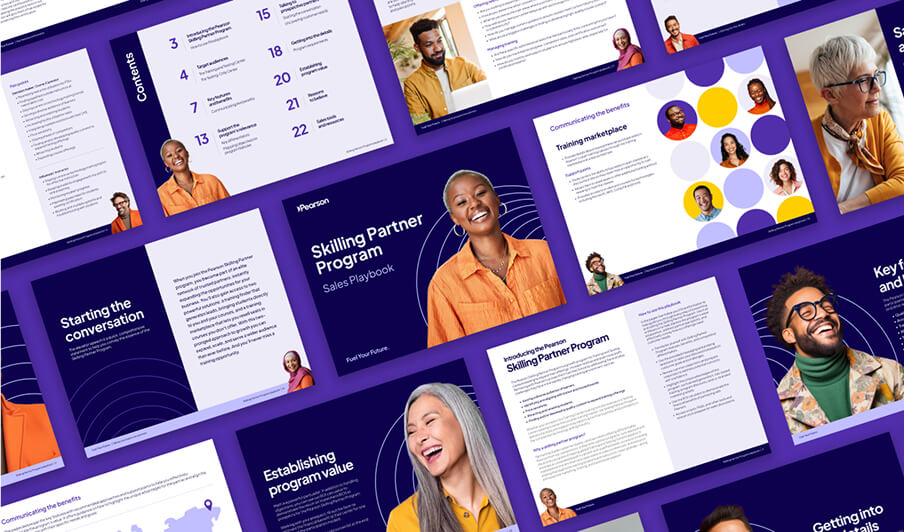
Through global buyer research, we discovered that buyers were thinking about skilling much more broadly than certification alone. That insight revealed new opportunities for growth, reshaped how the company positioned itself in the market, and clarified where it could create differentiated value.
That clarity didn’t come from rewriting the story. It came from understanding where Pearson could create value in the market.
If your messaging feels interchangeable with the competition, your sales team isn’t aligned, or growth has become harder to sustain, resist the urge to start rewriting.
Start by asking a different question: Do we truly understand how our buyers define value, make decisions, and choose a partner? The answer may have far more to do with your positioning than your messaging.